Long Day’s Journey into Night – Artistic Team and Directorial Concept
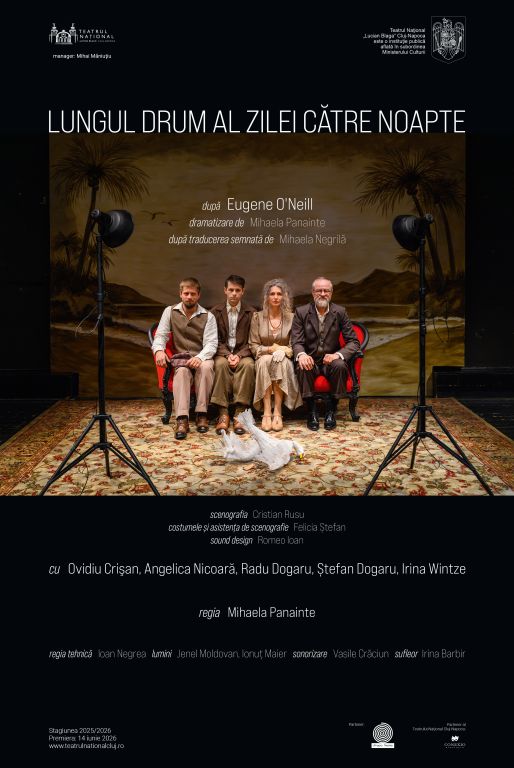
Based on Eugene O’Neill
Translated by Mihaela Negrilă
Dramatization by Mihaela Panainte
Director: Mihaela Panainte
Set Design: Cristian Rusu
Costume Design and Assistant Set Design: Felicia Ștefan
Sound Design: Romeo Ioan
Assistant Director: David Seko
Dramaturgy Assistant: Irina Barbir
CAST
James Tyrone: Ovidiu Crişan
Mary Cavan Tyrone: Angelica Nicoară
James Tyrone Jr.: Radu Dogaru
Edmund Tyrone / Eugene O’Neill: Ștefan Dogaru
Cathleen: Irina Wintze
Technical Director: Ioan Negrea
Lighting: Jenel Moldovan, Ionuț Maier
Sound Technician: Vasile Crăciun
Prompter: Irina Barbir
Poster Photography: Nicu Cherciu
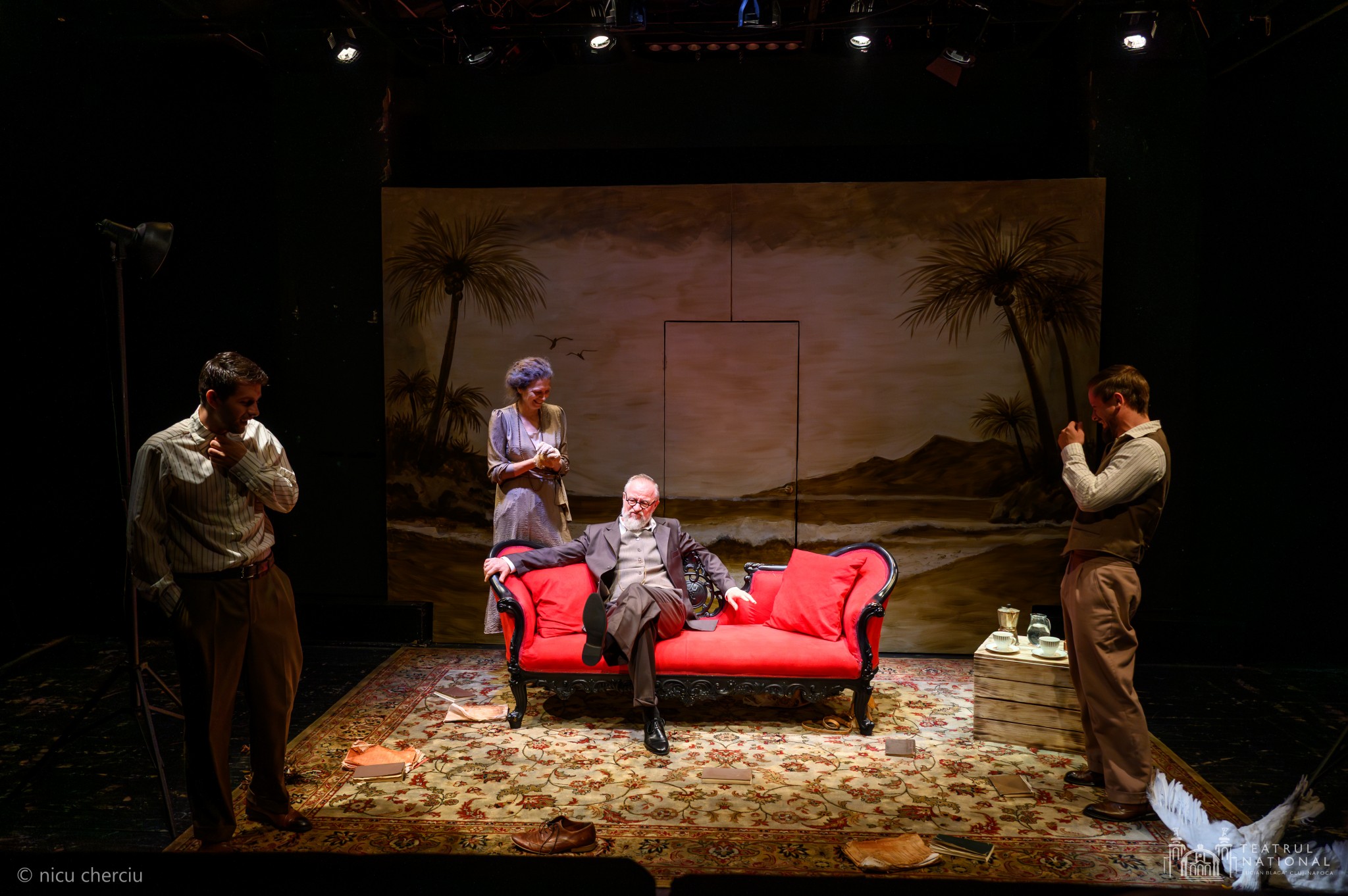
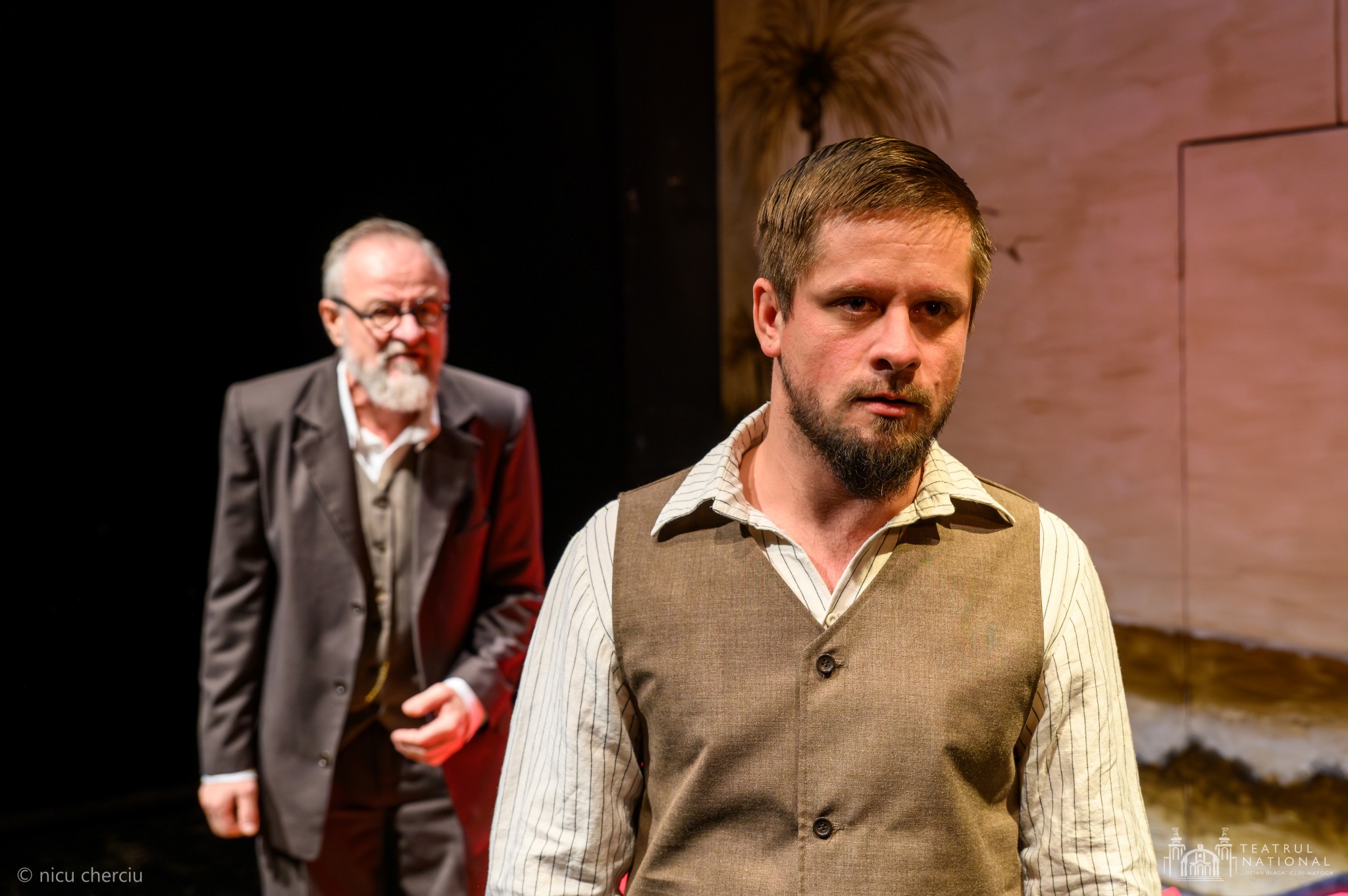
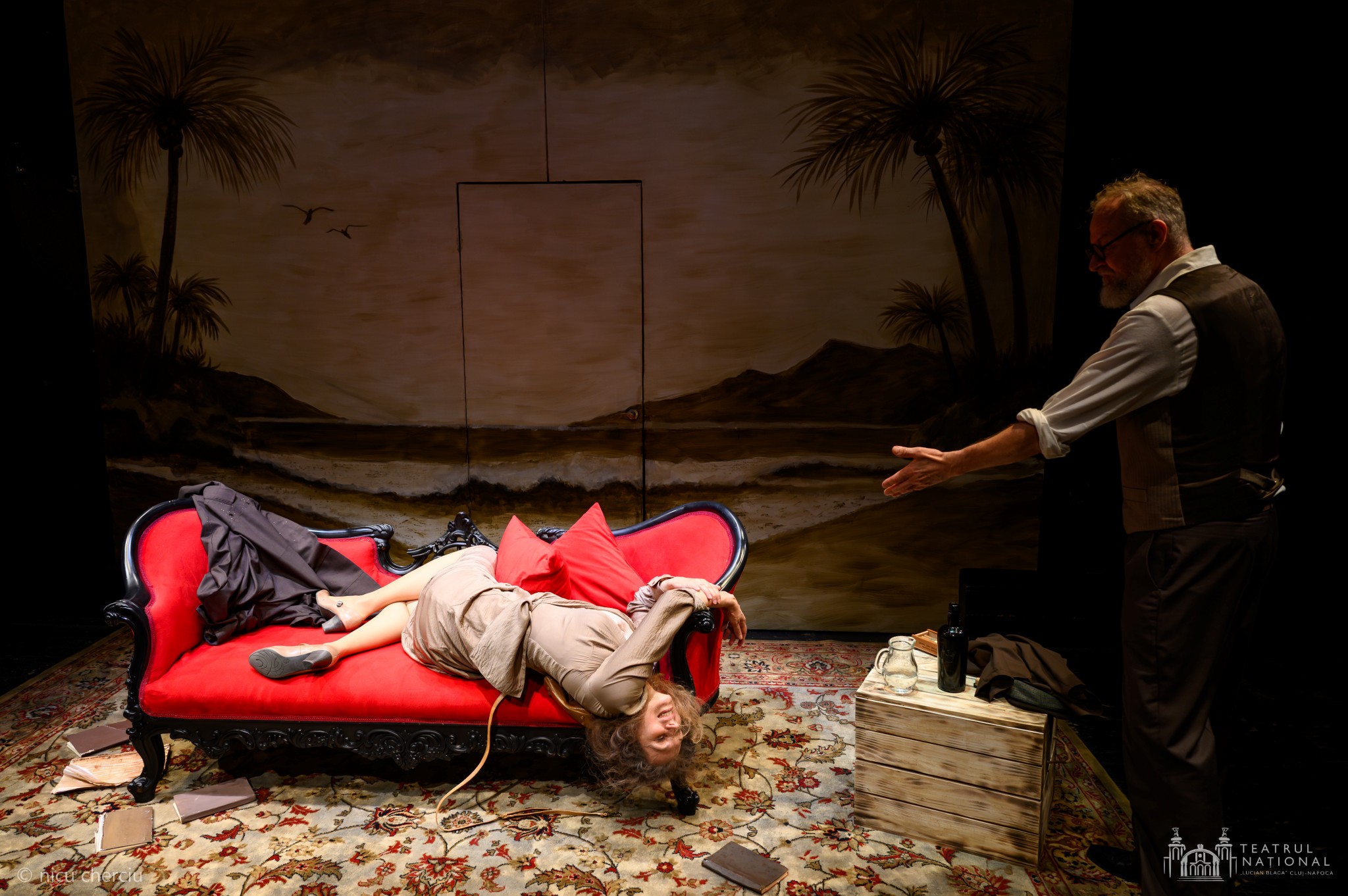
The production is conceived as a progressive descent from reality into memory, where the present becomes merely a trigger for an unstable psychic space. It is not a linear narrative, but rather a structure of consciousness in which Edmund simultaneously functions as narrator, witness, and subject of his own reconstruction of the past.
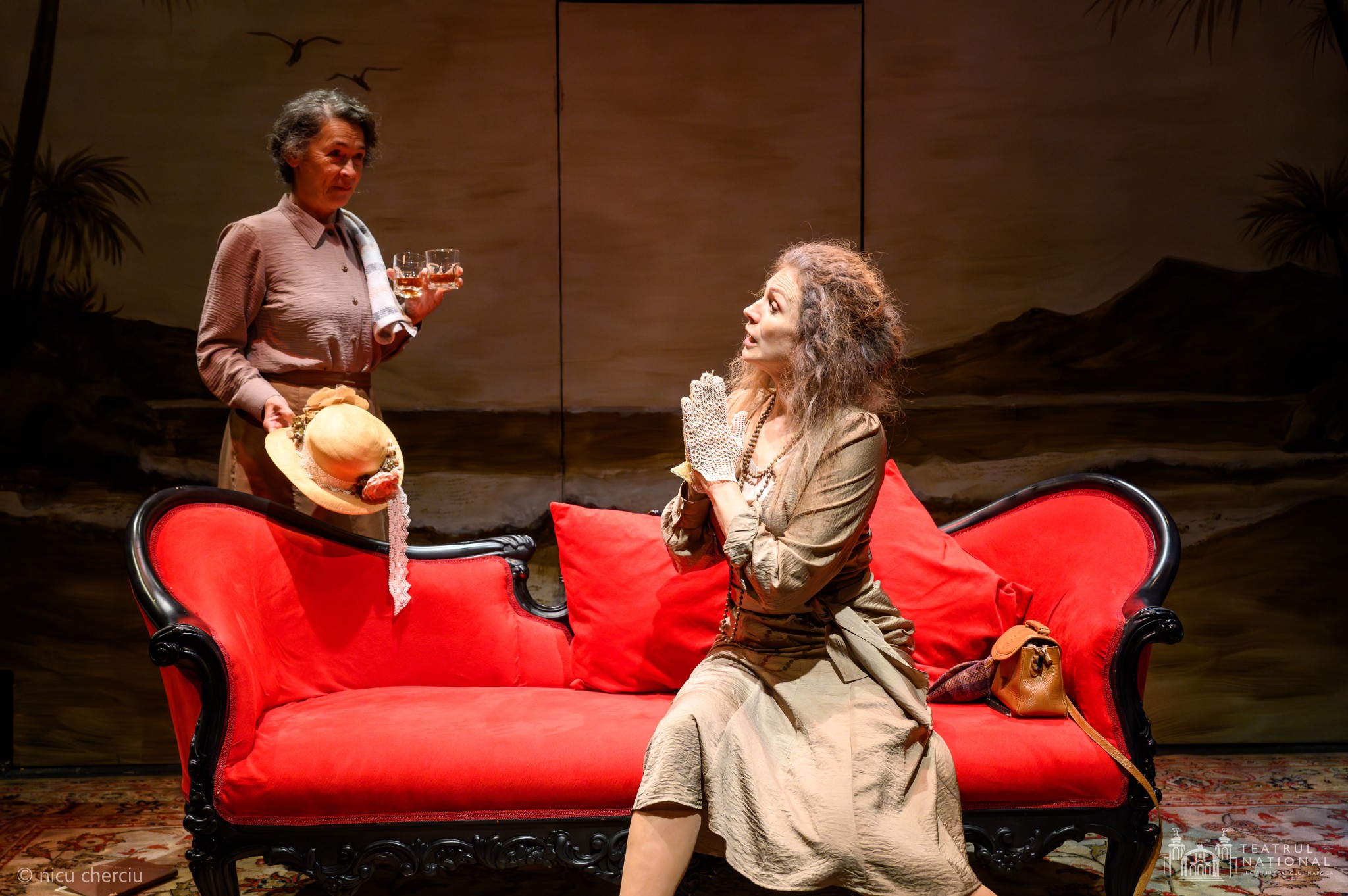
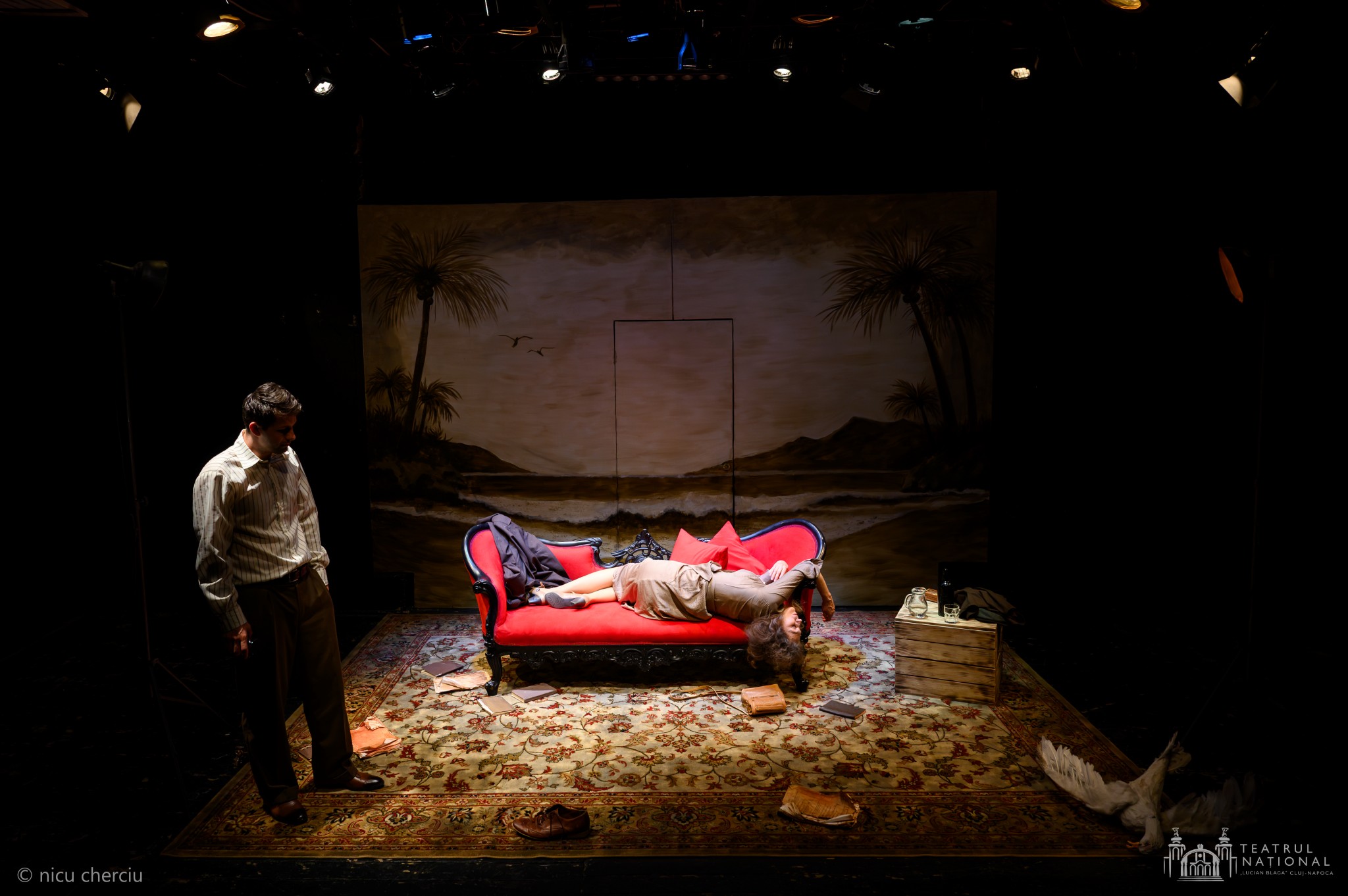
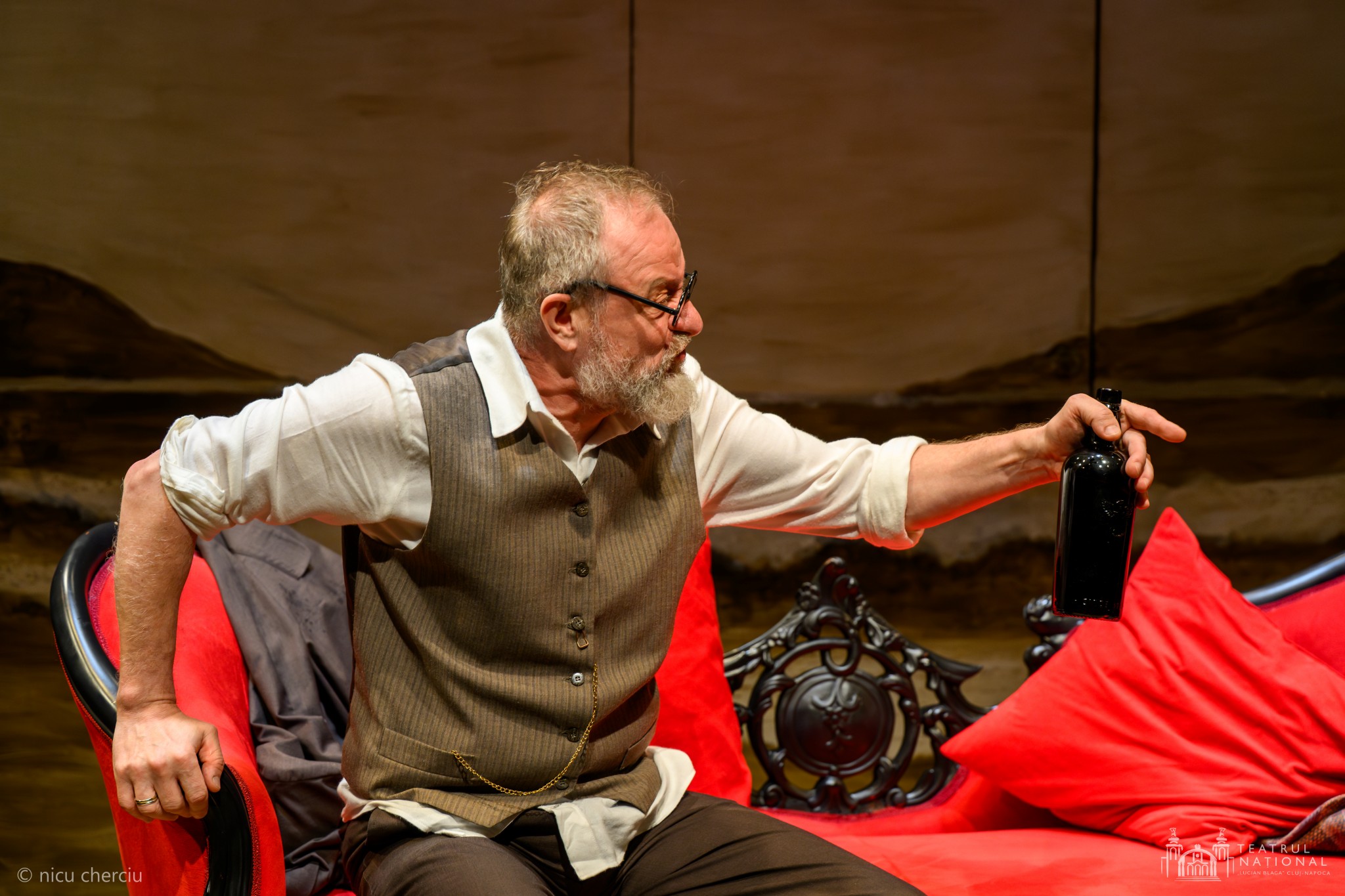
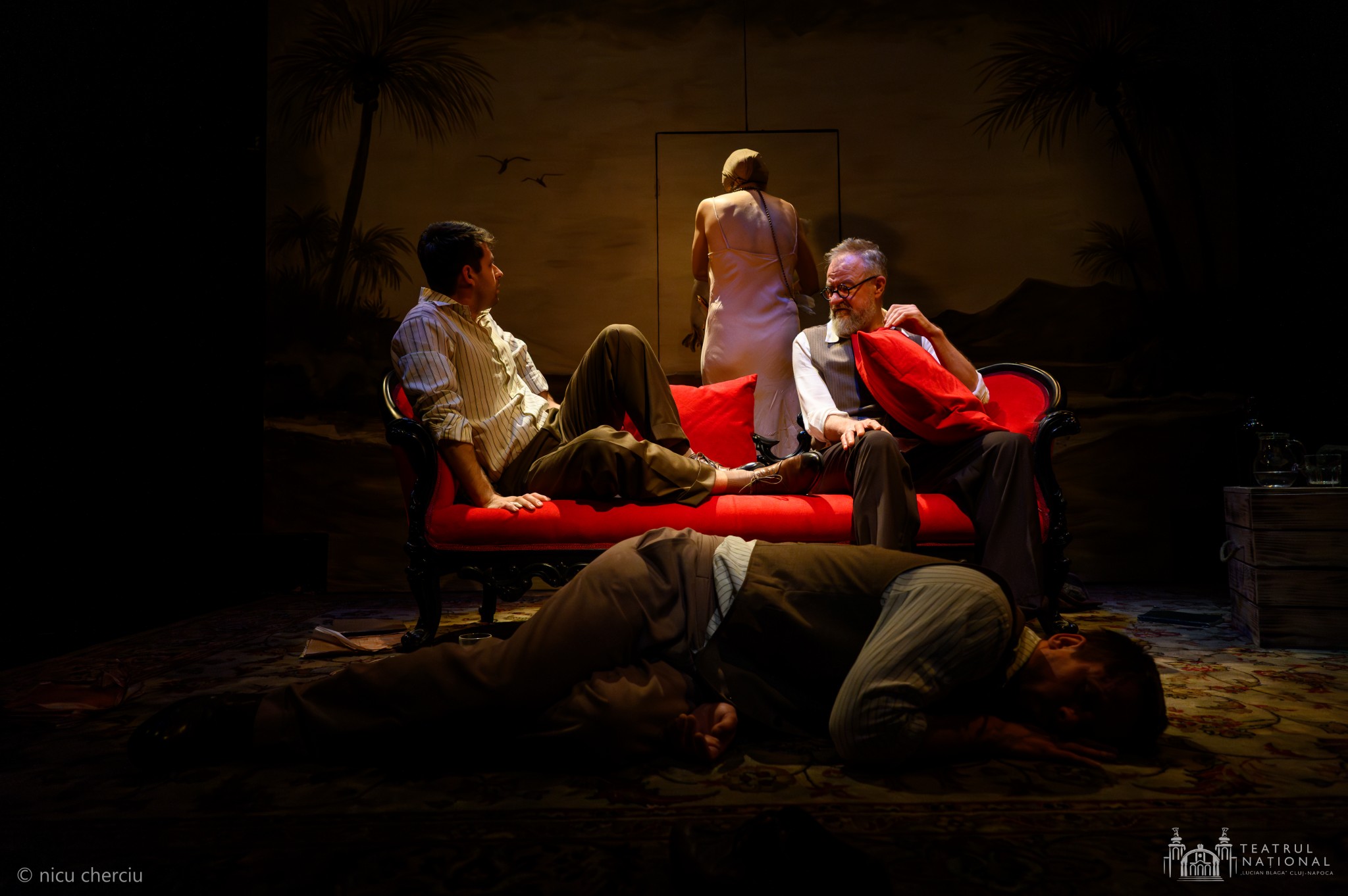
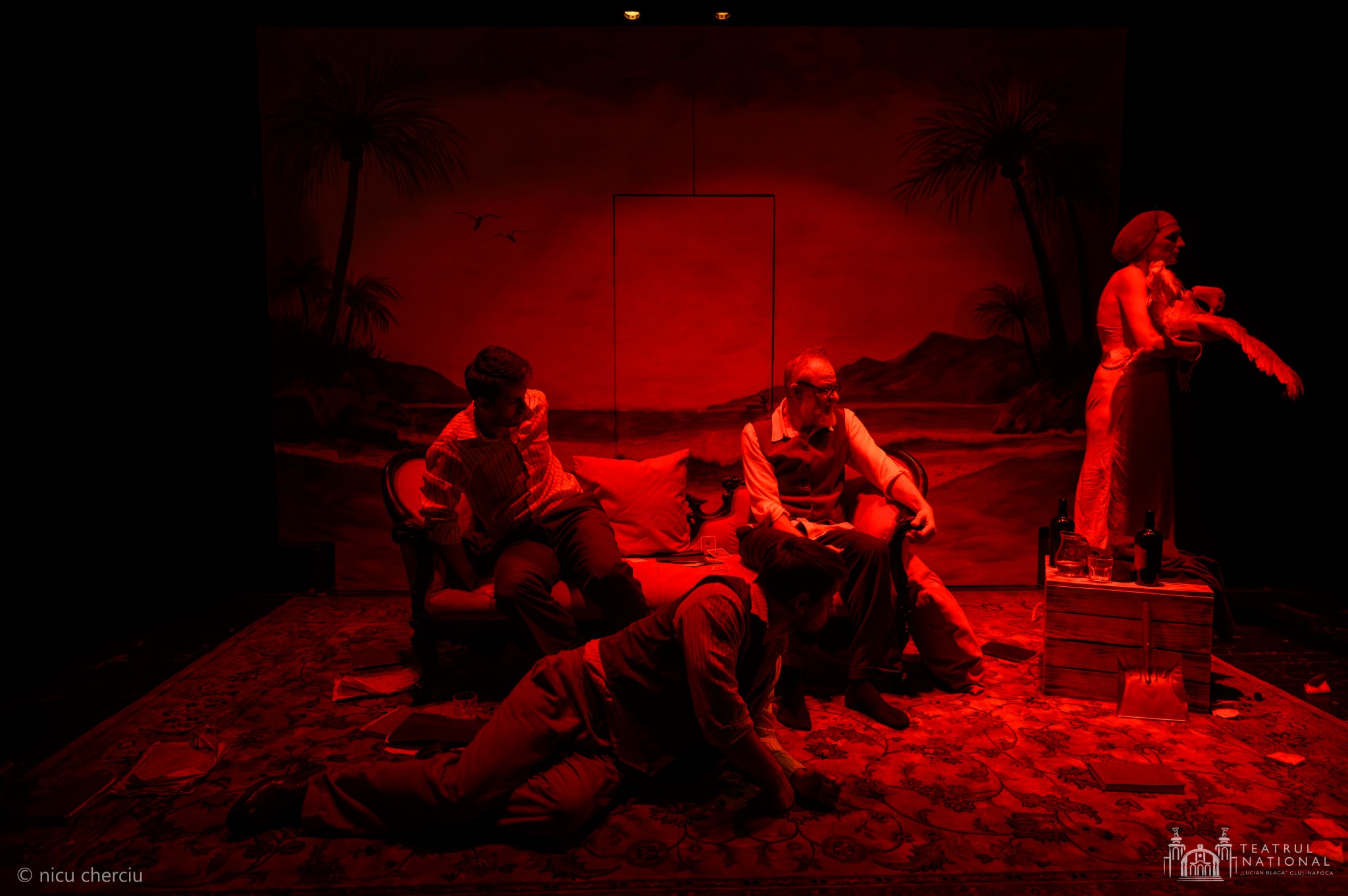
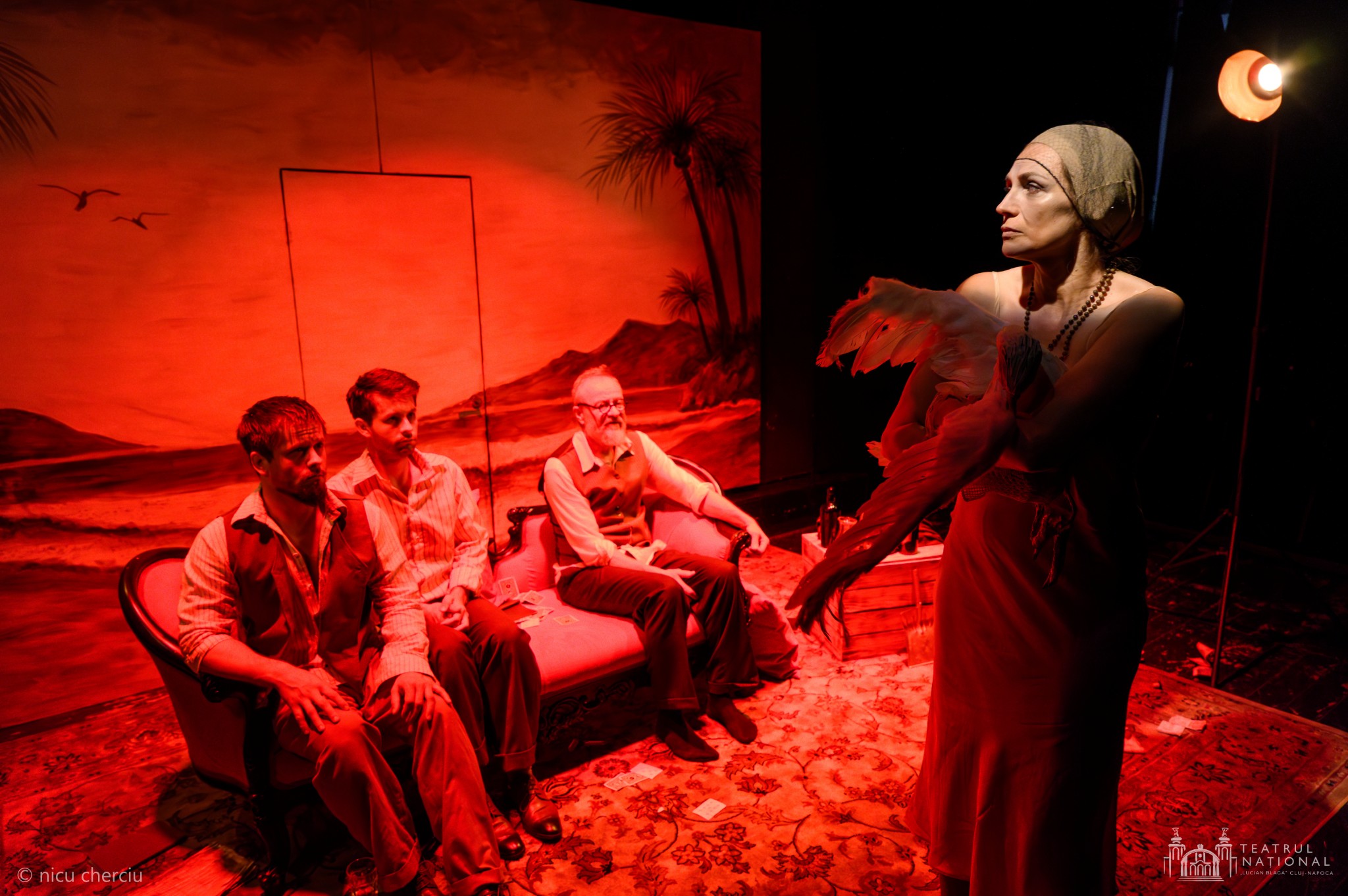
The stage space is organized into three layers: the Hall (the reality of the present), the Threshold (the transitional zone), and the House/Studio (memory). The House is not treated as a realistic space, but as a photographic studio of memory — a place where memories are not experienced, but “developed,” composed and recomposed as successive images. The characters appear here not as stable presences, but as “living photographs,” temporary frames activated by Edmund’s discourse.
This logic transforms the stage into a laboratory for reconstructing the past: every relationship, every family conflict becomes an image briefly exposed, then rewritten or blurred by another memory. The space does not reproduce reality; it archives it in real time, before the eyes of the audience.
The transitions between the different levels are neither naturalistic nor seamless, but abrupt and perceptual — like a change of focus in a camera. The characters do not “enter” the stage; they are activated by Edmund’s memory, as though being brought back into the light from a photographic negative.
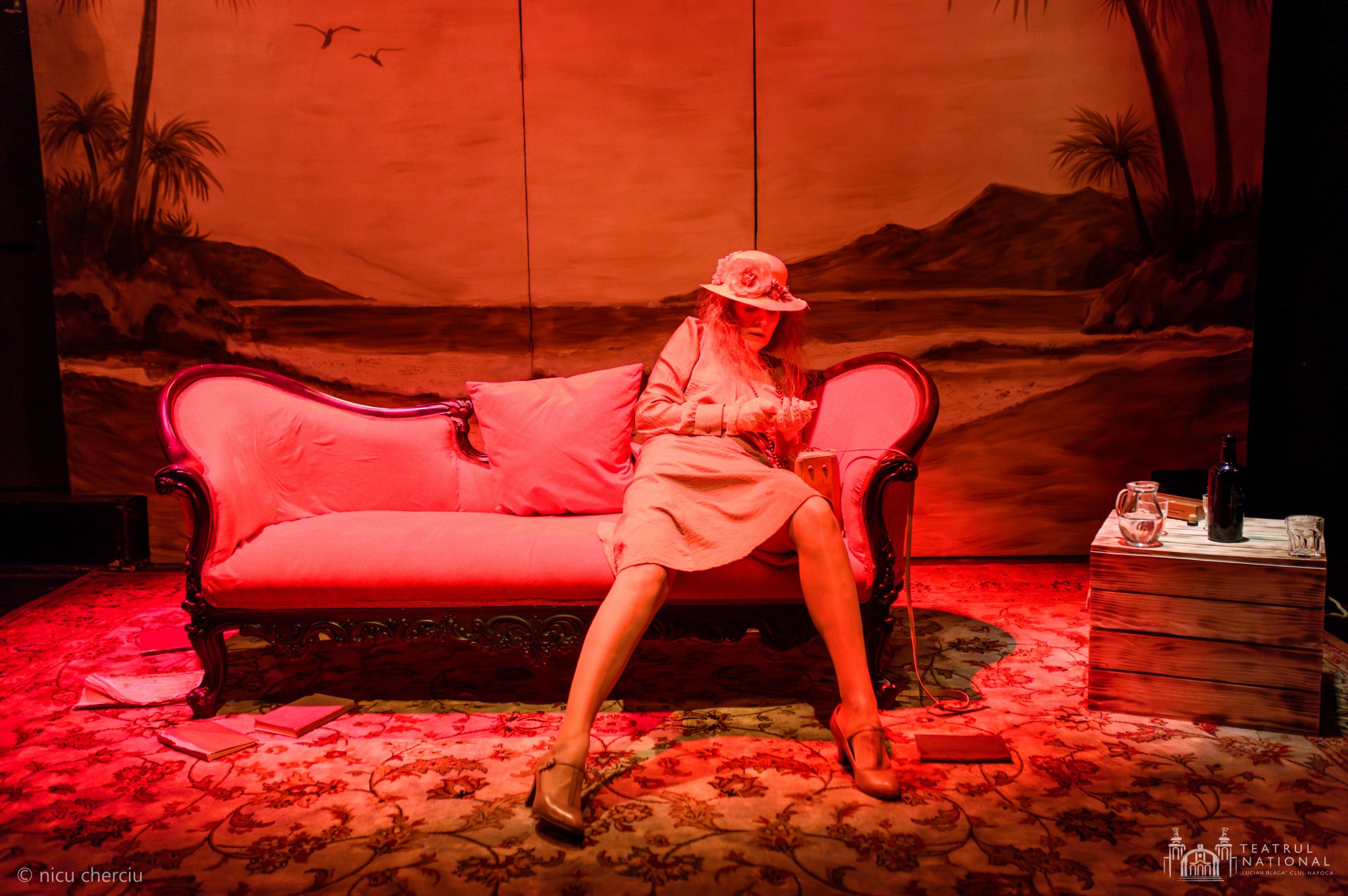
Light functions as a developing mechanism: it brings fragments of the past to the surface, temporarily fixes them, and then allows them to fade away again. The ending does not close the story, but fixes it in a static image: the family as a composed photograph, simultaneously present and inaccessible, while Edmund remains separated, outside the frame, as an observer of his own memory.
The production thus becomes an exploration of the way memory is not an act of recollection, but an active production of images — a studio in which the past is constantly re-photographed, never fully recovered.
Mihaela Panainte
LUNGUL DRUM AL ZILEI CĂTRE NOAPTE
după Eugene O’Neill
traducere de Mihaela Negrilă
dramatizare de Mihaela Panainte
regia: Mihaela Panainte
scenografia: Cristian Rusu
costumele și asistență de scenografie: Felicia Ștefan
sound design: Romeo Ioan
asistent regie: David Seko
asistent de dramaturgie: Irina Barbir
Distribuţia:
James Tyrone: Ovidiu Crişan
Mary Cavan Tyrone: Angelica Nicoară
James Tyrone Jr.: Radu Dogaru
Edmund Tyrone / Eugene O’Neill: Ștefan Dogaru
Cathleen: Irina Wintze
regia tehnică: Ioan Negrea
lumini: Jenel Moldovan, Ionuț Maier
sonorizare: Vasile Crăciun
sufleor: Irina Barbir
foto afiș: Nicu Cherciu
Spectacolul este construit ca o coborâre progresivă din real în memorie, unde prezentul devine doar un punct de declanșare pentru un spațiu psihic instabil. Nu este o poveste liniară, ci o structură de conștiință în care Edmund funcționează simultan ca narator, martor și subiect al propriei reconstrucții a trecutului.
Spațiul scenic este organizat în trei straturi: Sala (realitatea prezentului), pragul (zona de trecere) și Casa/Studioul (memoria). Casa nu este tratată ca spațiu realist, ci ca un studio foto al memoriei – un loc în care amintirile nu sunt trăite, ci „developate”, compuse și recompuse ca imagini succesive. Personajele apar aici nu ca prezențe stabile, ci ca „fotografii vii”, cadre temporare activate de discursul lui Edmund.
Această logică transformă scena într-un laborator de reconstrucție a trecutului: fiecare relație, fiecare conflict familial devine o imagine expusă pentru scurt timp, apoi rescrisă sau estompată de altă amintire. Spațiul nu reproduce realitatea, ci o arhivează în timp real, sub ochii publicului.
Trecerea dintre niveluri nu este naturalistă, ci bruscă și perceptivă – ca o schimbare de focalizare într-un aparat de fotografiat. Personajele nu „intră” în scenă, ci sunt activate de memoria lui Edmund, ca și cum ar fi readuse la lumină dintr-un negativ.
Lumina funcționează ca mecanism de developare: scoate la suprafață fragmente de trecut, le fixează temporar, apoi le lasă să se piardă din nou. Finalul nu închide povestea, ci o fixează într-o imagine statică: familia ca fotografie compusă, simultan prezentă și inaccesibilă, în timp ce Edmund rămâne separat, în afara cadrului, ca observator al propriei memorii.
Spectacolul devine astfel o explorare a modului în care memoria nu este rememorare, ci producție activă de imagini – un studio în care trecutul este mereu re-fotografiat, niciodată recuperat complet.
Mihaela Panainte